Enter your email to read the guide and receive our next resources for parents.
🔒 No spam. Unsubscribe anytime.
You chose to offer music to your child — perhaps by intuition, perhaps because you love it yourself. What you're about to discover is that this intuition is confirmed by decades of neuroscience research. Music doesn't just make childhood more beautiful. It builds it.
From the earliest weeks of life, the human brain responds to music in a unique way. Babies distinguish rhythms, pitches, and even emotions in a melody — before they've learned to speak.
Music simultaneously activates almost all areas of the brain: auditory, motor, emotional, linguistic and mathematical zones light up together, like an inner symphony.
Brain imaging studies (fMRI) show that children who practice music develop a thicker corpus callosum — the structure connecting the two brain hemispheres — enabling significantly more efficient inter-hemispheric communication.
— Schlaug et al., Harvard Medical School, 2005Learning music literally reshapes your child's brain. And this plasticity is at its peak during childhood.
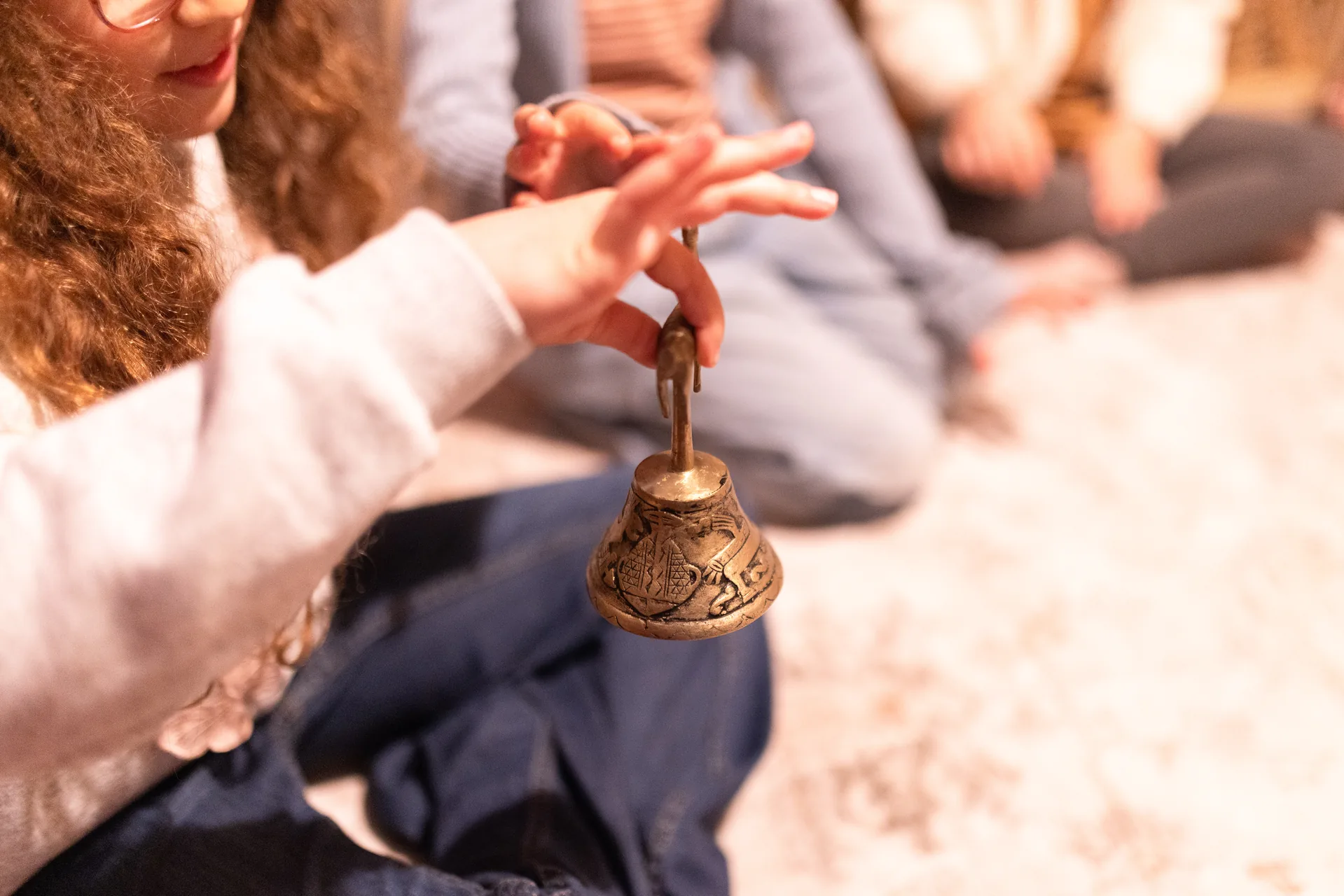
A child's brain is not simply a miniature adult brain. It's an organ under full construction, with 'sensitive windows' — periods when certain learning is absorbed with an ease impossible to replicate later.
The brain naturally integrates rhythms, sounds and movement. The ideal time to develop musical ear — before abstraction is even needed.
Fine coordination develops rapidly. The child can gently begin an instrument. The music-language link strengthens — effects on reading become measurable.
Regular practice produces lasting effects on attention, working memory and ability to follow complex instructions — skills that benefit all subjects.
Children who received musical training at a young age show more developed neural connections in areas linked to fine motor skills and auditory processing — permanently.
— Penhune, BRAMS Centre · Concordia University, Montreal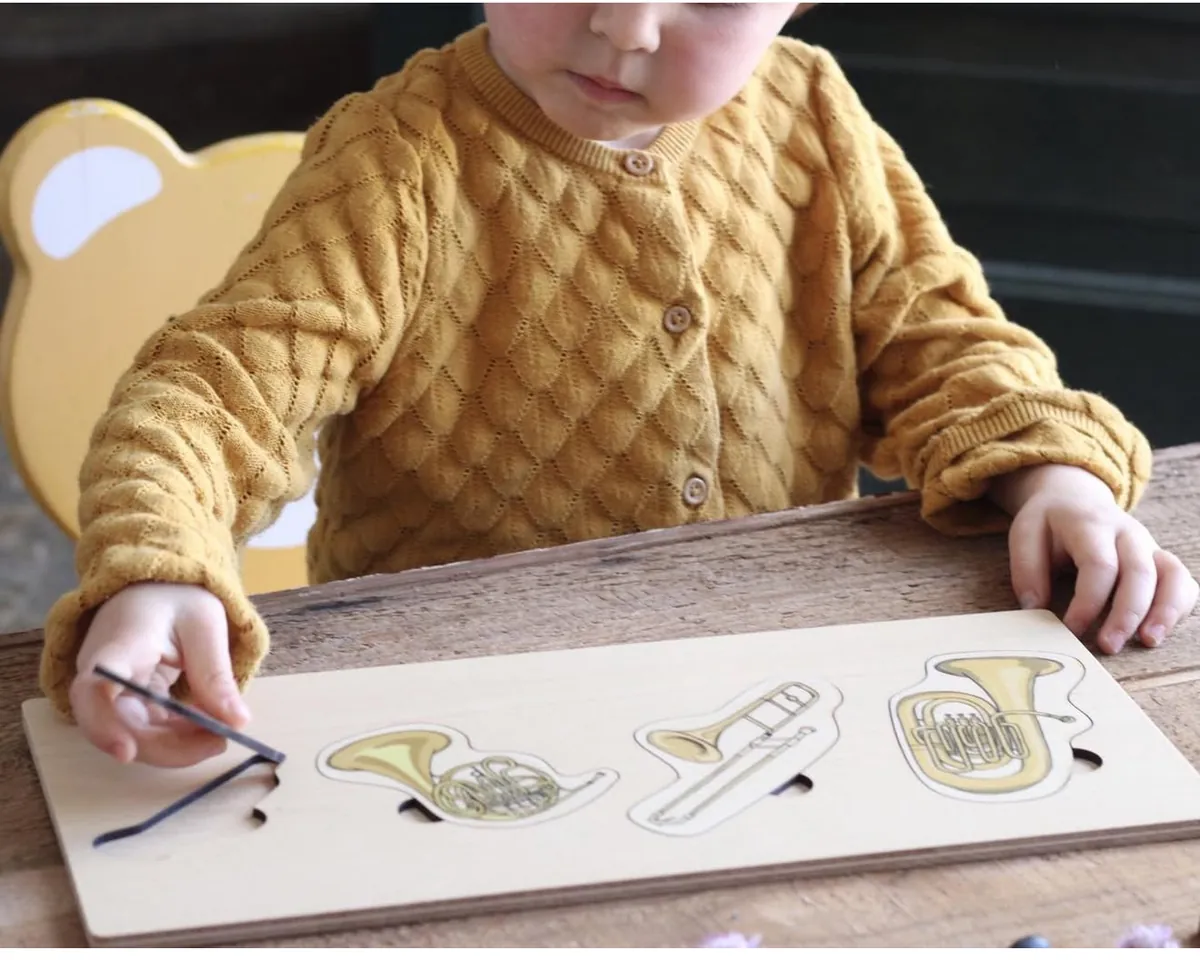
« Music is not just another subject. It's the language in which the brain learns to learn. »
Beyond brain scans, it's everyday transformations that parents notice first. Here's what research has rigorously documented:
Musical practice trains the brain to maintain concentration on long and complex tasks.
Musical children read earlier and with better comprehension. Decoding musical sounds trains phonetic decoding.
Fractions, patterns, proportions — music is mathematics that children feel before they understand.
Recognizing and expressing emotions through music develops empathy and emotional regulation.
Playing with other children develops mutual listening, turn-taking and social cooperation.
Mastering a piece, progressing, feeling proud — music offers concrete successes that nurture self-esteem.
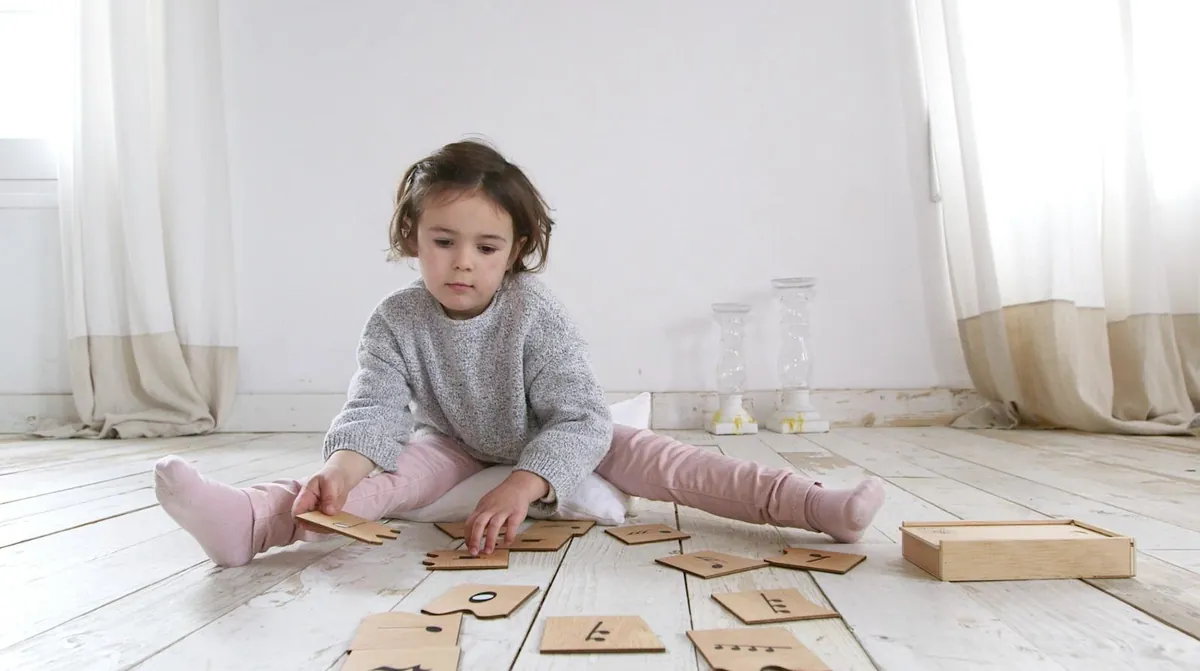
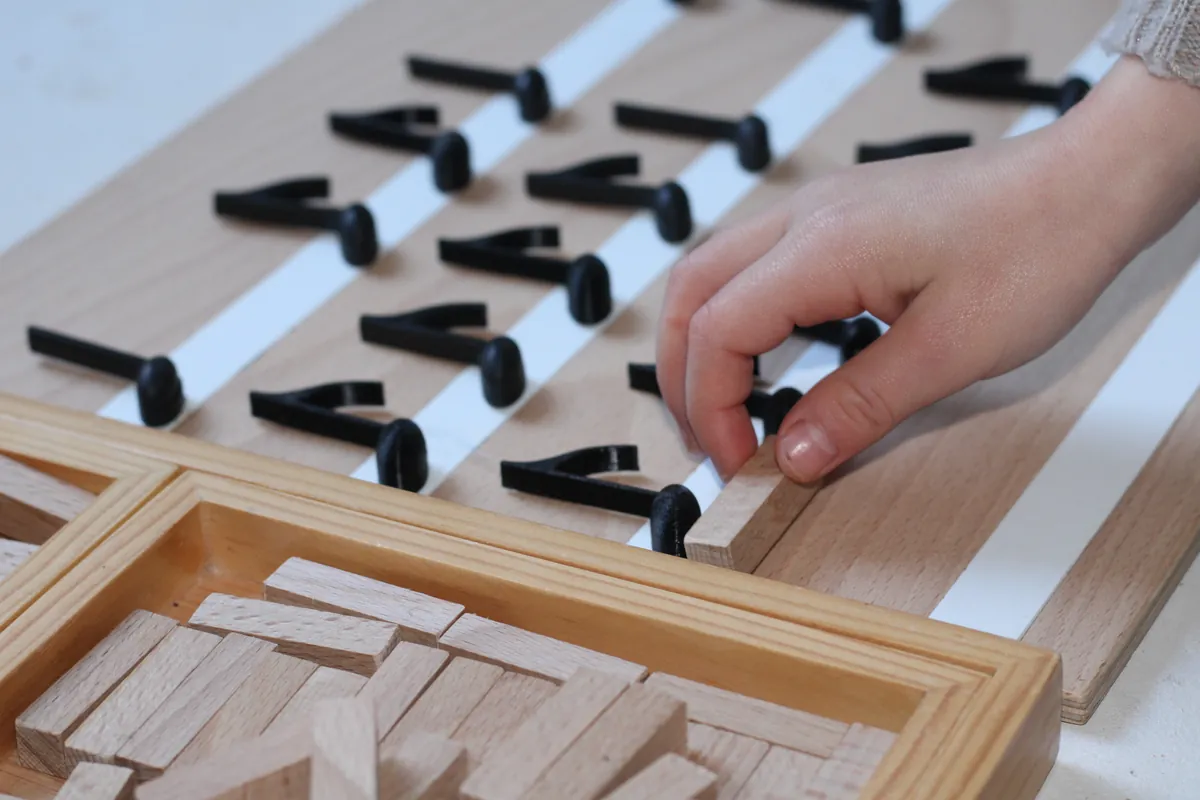
Regularity beats intensity. Two 30-minute sessions per week, over several months, produce far more significant neurological effects than an intensive week then nothing. The brain builds itself through calm repetition.
Pleasure is the engine. Children who experience music as a source of joy — not performance — develop richer neural connections. A child singing out of tune while dancing learns as much as one playing perfectly while frowning.
A meta-analysis of 54 longitudinal studies confirms that the positive effects of music on cognitive development are observable after just 6 to 8 months of regular practice, with effects persisting long-term.
— Sala & Gobet, Psychological Bulletin, 2020Learning with other children activates additional brain areas linked to imitation, anticipation and active listening. Small learning groups are particularly effective neurologically.
At Serclet, our groups of 8 children maximum are not a commercial choice — it's a neurological limit. Beyond this, individual attention decreases and benefits erode.
Our absolute priority has been the same since day one: that every child leaves the room wanting to come back. Because it's this desire — and only this — that builds a musical brain for life.
Learning groups of 6 to 8 children maximize neural imitation mechanisms (mirror neurons) and active listening, producing measurable progress 40% faster than individual learning in early childhood.
— Kokal et al., PLOS ONE, 2011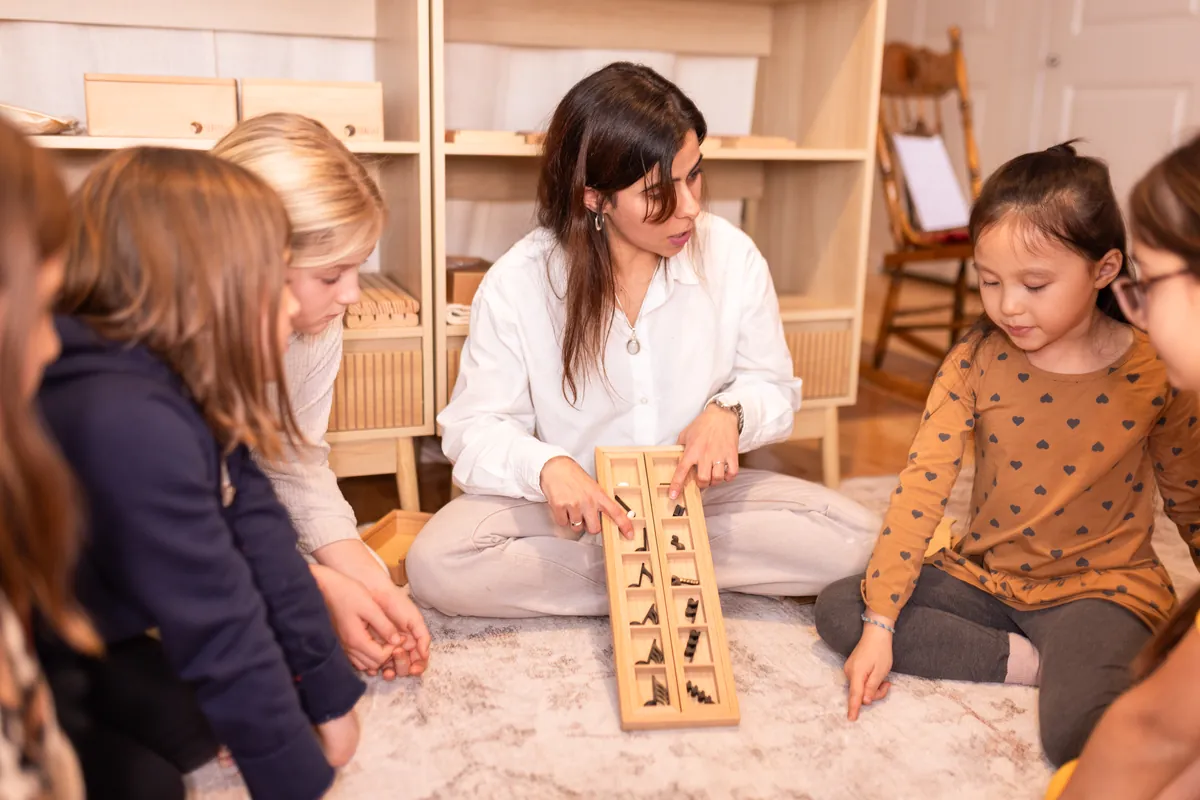
A carefully curated repertoire of traditional songs to enrich your child's musical awakening — by region, language and musical theme.
Explore the repertoire →Book a free discovery session. We meet, your child plays, and you decide peacefully.