From discovering the instrument to free creation — a natural progression, guided by the body and the ear.
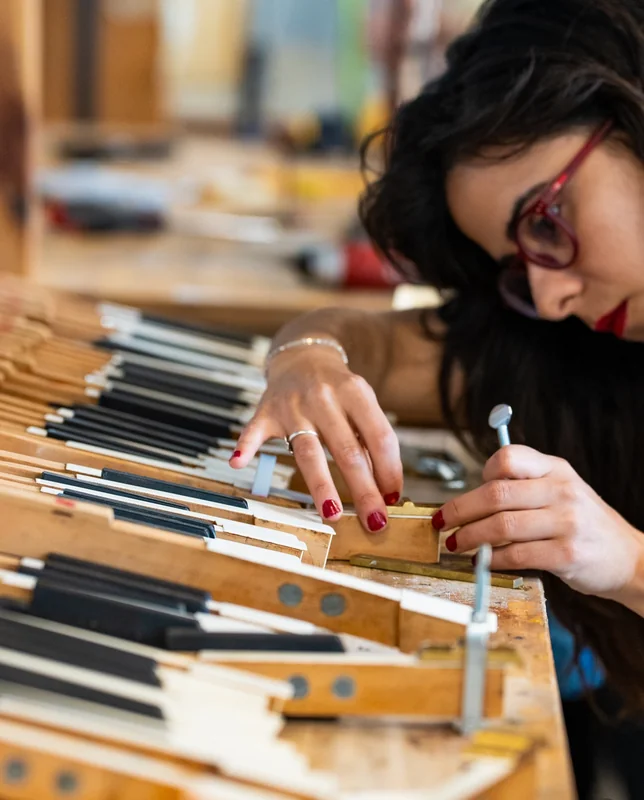
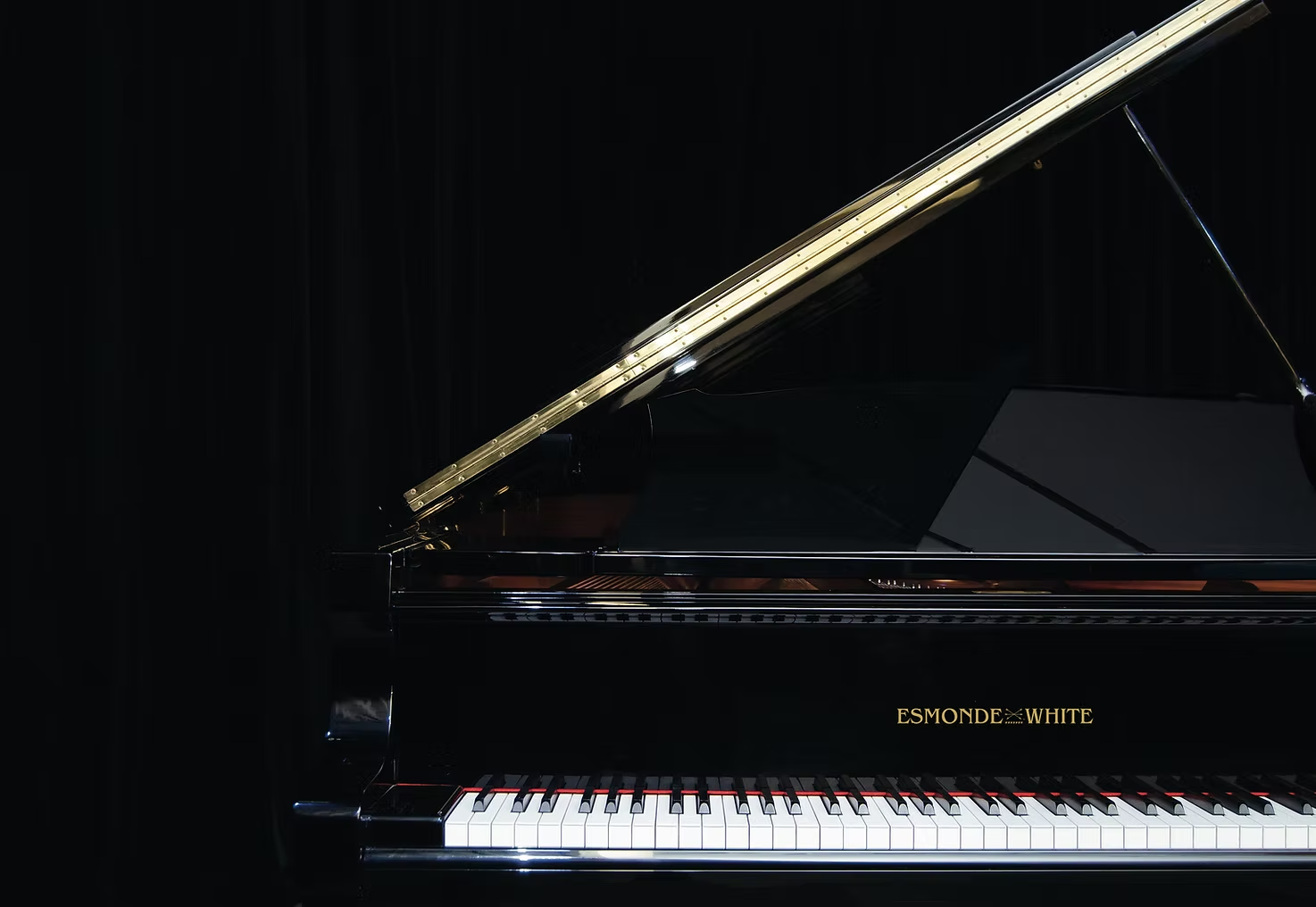
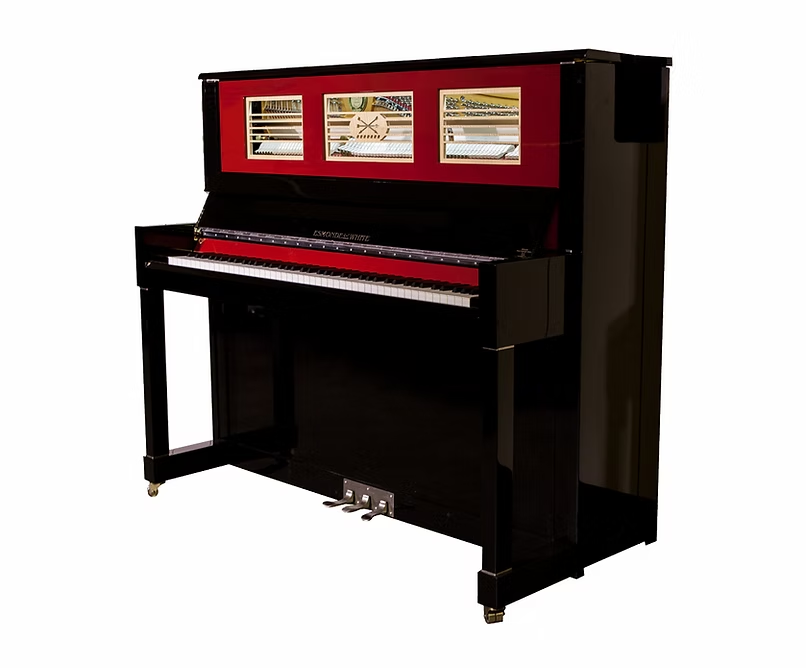
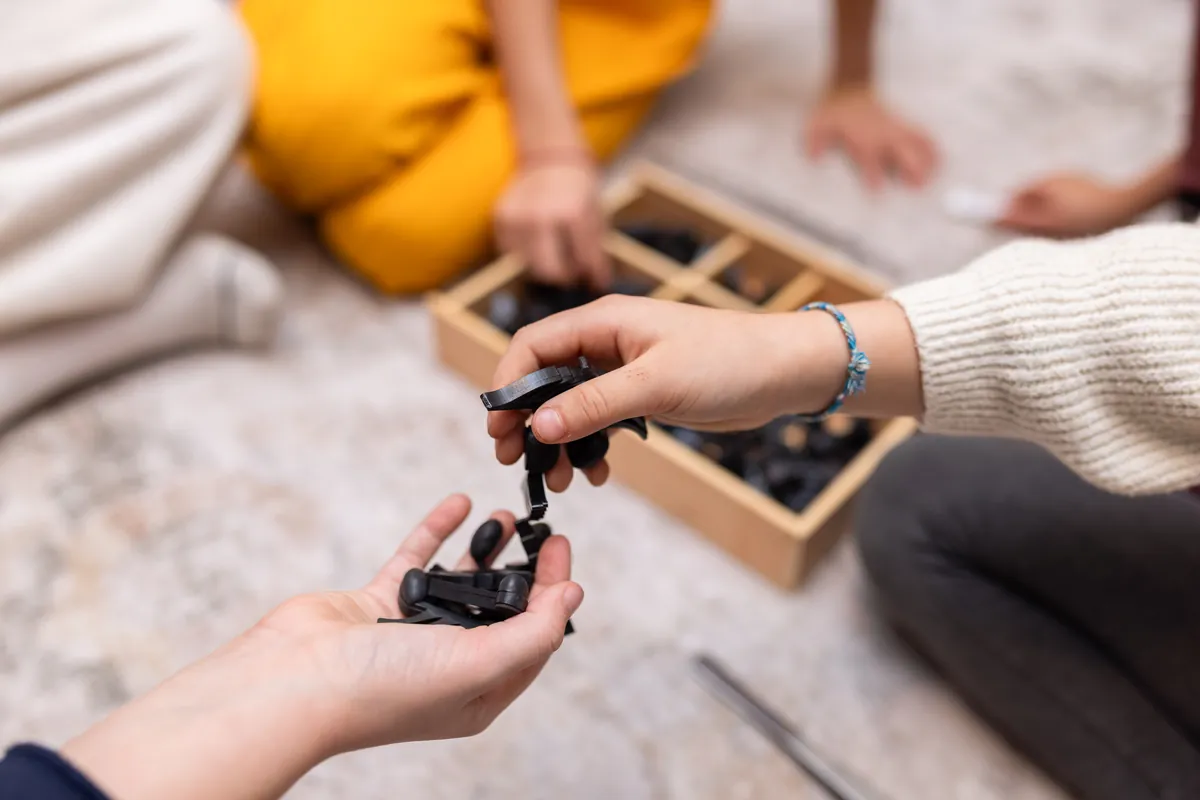
Before placing hands on the keyboard, the child explores the instrument in its entirety: pedals, mechanism, strings, soundboard. They understand how a key produces a sound, how pressure changes timbre, how resonance sustains. The piano becomes a living laboratory — not a tool to master, but a world to understand.
→ A child who understands their instrument plays with intention and respect.
The introduction to the grand staff happens through the keyboard itself: the child visually understands the connection between note pitch and keyboard position, between written rhythm and played gesture. Visual anticipation — reading ahead to prepare the gesture — is taught from the start, building a fluid relationship between eye, hand, and ear.
→ Reading becomes natural when it is experienced as an extension of gesture.
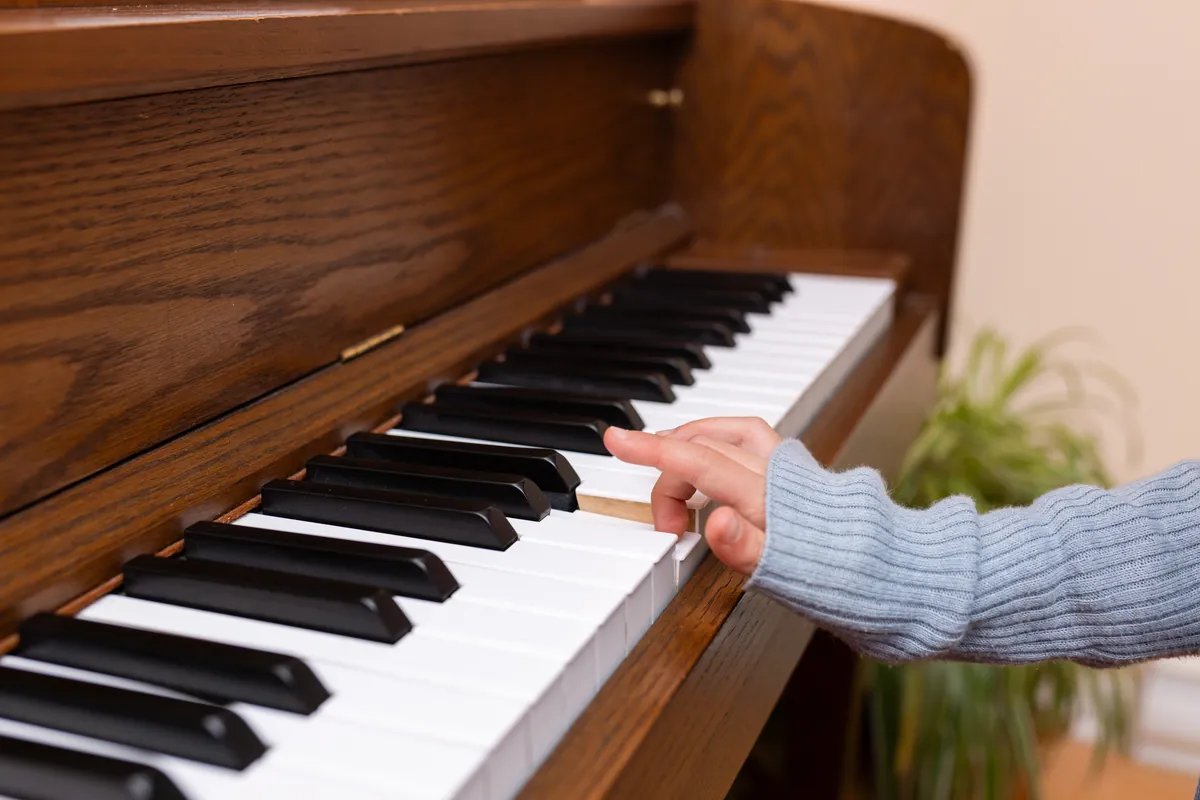
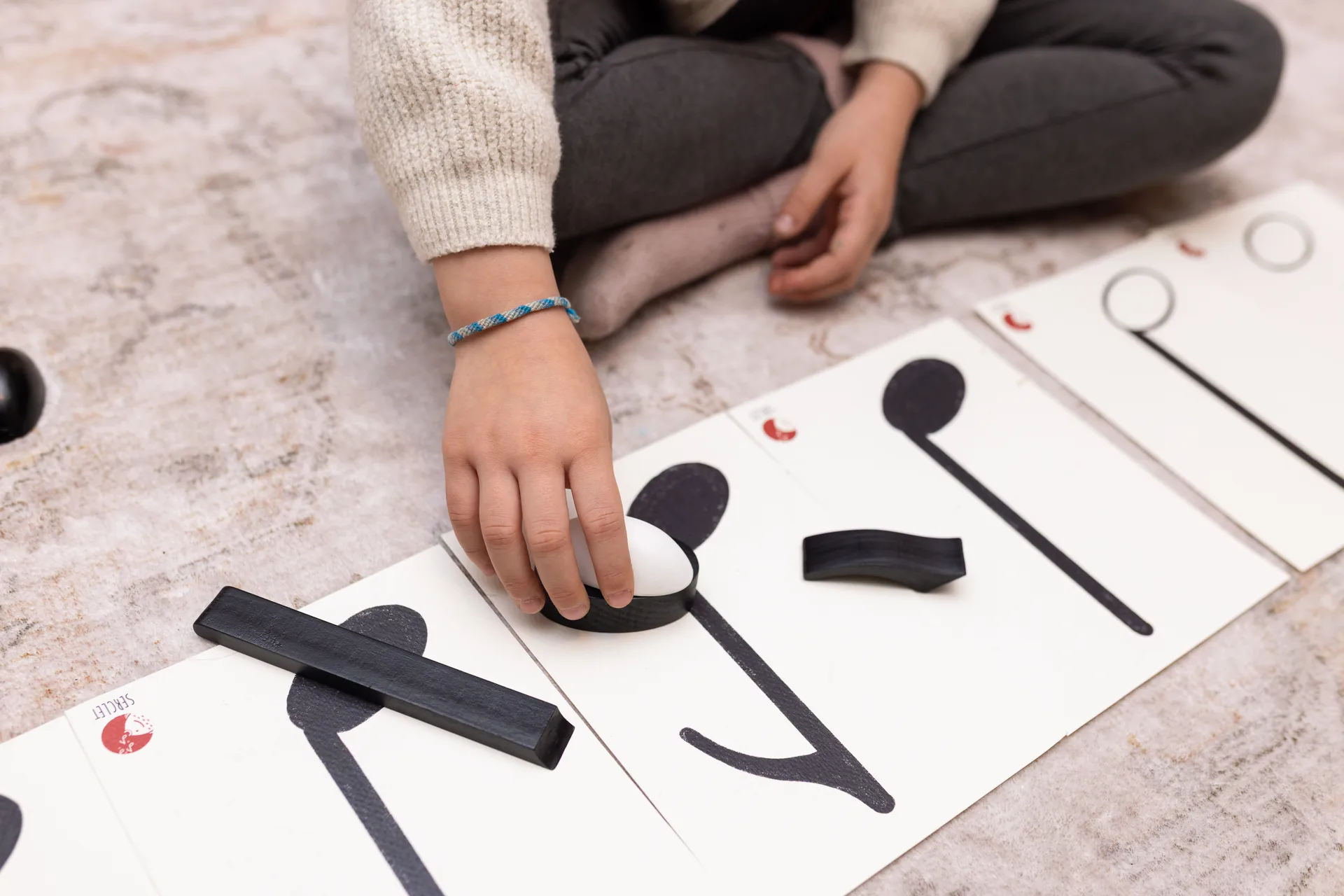
Posture, breathing, muscle relaxation, and fingering are not imposed as rules — they are discovered as solutions. The child understands why a prepared gesture produces a better sound, why shoulder relaxation changes resonance, why arm weight guides dynamics. Technique becomes bodily intelligence, not a constraint.
→ A relaxed child at the piano plays better, longer, and without injury.
Improvisation is introduced from the first sessions — not as an advanced exercise, but as a natural ear practice. The child composes short melodies, explores sonic contrasts, memorizes through visual patterns and recurring structures. They develop inner listening — the ability to mentally hear what they want to play before placing hands on the keyboard.
→ Musical autonomy begins when the child expresses, not when they reproduce.
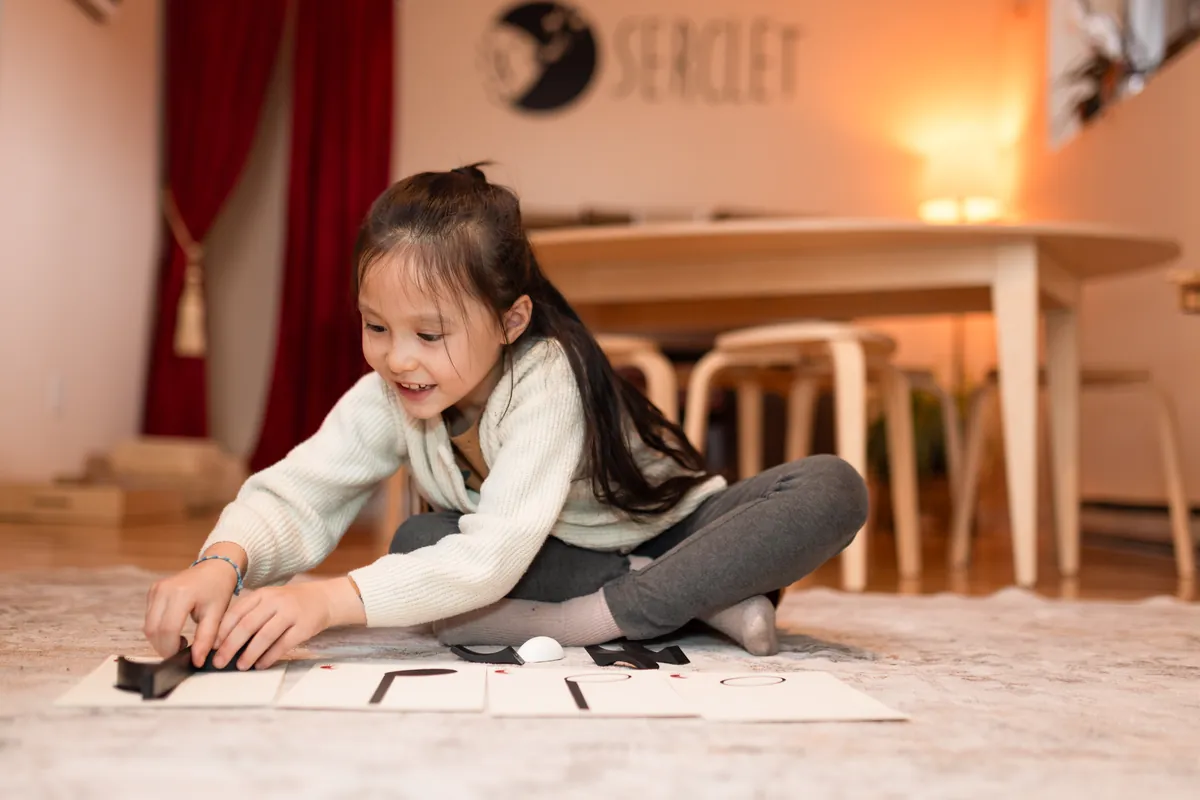
Not for the rushed parent — for the child who has time to discover.
Explore available programs or book a free trial session — no commitment.
In Québec and across Francophone Canada · Response within 24h